
Have you noticed your dog suddenly chattering its teeth and wondered what it means? As a veterinarian, I can assure you that teeth chattering in dogs is more than a quirky habit. While it might seem harmless at first glance, it can signal a variety of underlying issues ranging from dental pain to stress or even neurological problems.
I often get questions from concerned pet owners who are unsure whether to worry or watch and wait. To assist you, I will explain the most common causes of teeth chattering, symptoms to look for, and effective solutions to help your furry friend stay healthy and happy.
Teeth chattering in dogs is a repetitive, rapid movement of the jaw that may produce an audible clicking or chattering sound.
Unlike normal chewing or playful mouthing, it is often involuntary and can occur in a variety of situations. While some dogs chatter their teeth briefly due to excitement, cold, or anticipation of food, persistent or frequent chattering may signal underlying issues such as dental pain, nausea, stress, or neurological problems.
Observing accompanying behaviors like drooling, shivering, pacing, or difficulty eating can help identify the cause. And honestly, it is important to understand this behavior to provide timely care and maintain your dog’s health.
Teeth chattering in dogs can be caused by dental pain, cold, anxiety, nausea, or neurological issues.
Also, it can arise from several physical or emotional factors. Below, I explain the main causes due to which your dog may be showing this chattering behavior.
1. Dental Problems and Oral Pain
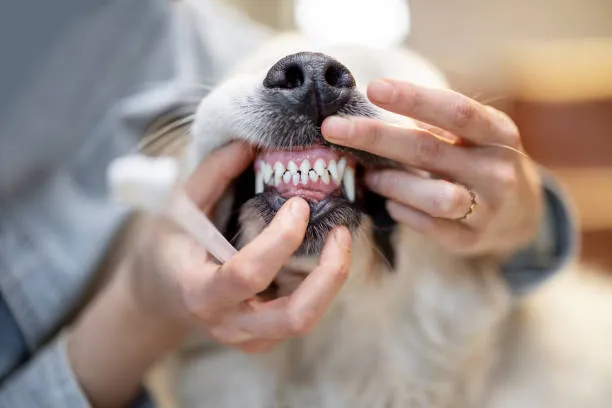
When dogs experience discomfort in their teeth, gums, or jaw, they often respond by chattering their teeth. Oral pain may arise from conditions such as tooth decay, broken teeth, gum infections, or abscesses.
Dogs are masters at hiding pain, so teeth chattering may be one of the few visible signs. If your dog is reluctant to chew, drools excessively, or has a foul odor in the mouth, these could be red flags indicating dental issues.
I always recommend a veterinary dental exam to rule out or treat any oral problems.
2. Cold or Shivering
Sometimes, teeth chattering is simply a response to cold temperatures. Just like humans, dogs can shiver when they are chilly. Small breeds, senior dogs, and dogs with thin coats, like Czech GSD, are especially prone to this.
Shivering in combination with teeth chattering is often temporary and resolves once the dog is warmed up. Providing cozy blankets, a heated bed, or keeping your dog indoors during cold weather usually alleviates this type of chattering.
3. Anxiety and Stress
Dogs can exhibit teeth chattering when they are anxious or stressed. Situations such as thunderstorms, fireworks, car rides, or separation from owners can trigger this behavior. Chattering may occur along with pacing, whining, or excessive panting.
That’s why it is important to understand the root cause of stress. In some cases, behavioral training, environmental enrichment, or calming aids can help reduce anxiety-related chattering. For persistent anxiety, I recommend consulting a veterinary behaviorist.
4. Nausea and Gastrointestinal Discomfort
Nausea is another reason dogs may chatter their teeth. If your dog has a fever and is feeling unwell due to motion sickness, dietary indiscretion, and gastrointestinal issues, you might notice teeth chattering accompanied by drooling, lip licking, or vomiting.
Identifying and treating the underlying cause, such as adjusting diet, addressing parasites, or managing illness, often resolves the teeth chattering.
5. Neurological Disorders
In rare cases, teeth chattering can indicate a neurological problem. Conditions such as tremors, seizures, or degenerative brain disorders can manifest as involuntary jaw movements.
These cases often include additional signs such as difficulty walking, head tilting, uncoordinated movements, or sudden behavioral changes. Immediate veterinary evaluation is crucial if neurological issues are suspected.
Advanced diagnostics, including blood work and imaging, may be necessary to pinpoint the cause.
While teeth chattering itself is noticeable, accompanying symptoms can provide insight into the severity of the problem. Monitoring your dog closely will help you determine whether professional intervention is needed.
1. Behavioral Signs
Dogs experiencing stress or anxiety may show a combination of behaviors including pacing, whining, hiding, or restlessness. Teeth chattering in this context is often situational and may occur only during stressful events.
2. Physical Indicators
Dental pain or nausea often presents with drooling, difficulty eating, pawing at the mouth, or vomiting. In cases of cold exposure, your dog may shiver, have tense muscles, and appear lethargic. Observing these signs can help differentiate the cause.
3. Neurological Red Flags
If teeth chattering is paired with uncoordinated movements, tremors, seizures, or sudden behavioral changes, this warrants urgent veterinary attention. Early detection is key to managing neurological conditions effectively.
Determining the reason behind teeth chattering often requires a careful approach combining observation and veterinary evaluation.
1) Veterinary Examination
A comprehensive physical exam is essential. I typically start by examining the oral cavity for signs of infection, broken teeth, or gum disease. I also check for signs of pain, neurological abnormalities, bacterial diseases in dogs, and overall physical health.
2) Diagnostic Tests
Depending on the suspected cause, I may recommend blood work, imaging, or dental X-rays. Blood tests can reveal infections, organ dysfunction, or electrolyte imbalances. Imaging helps assess oral structures and detect neurological disorders.
These tests provide critical information for developing an effective treatment plan.
3) Behavioral Assessment
For cases likely related to anxiety or stress, I assess the dog’s environment, daily routines, and triggers. Keeping a behavioral diary of when teeth chattering occurs helps identify patterns and effective interventions.
Once the underlying cause is identified, treatment strategies can be implemented to relieve discomfort and prevent recurrence.
1. Dental Care
If dental issues are the cause, professional cleaning, extraction of damaged teeth, or treatment of infections is required. At home, maintaining oral hygiene with vet-approved toothpaste and chew toys can help prevent future problems.
2. Environmental Adjustments for Cold
To address teeth chattering from cold exposure, provide warm bedding, dog coats, and indoor comfort. Gradually acclimating your dog to lower temperatures also reduces shivering and chattering episodes.
3. Managing Stress and Anxiety
For anxiety-induced chattering, I recommend training techniques such as desensitization and counter-conditioning. Calming aids such as pheromone diffusers, supplements, or anti-anxiety medications may be helpful in certain cases.
Consistent routines and positive reinforcement can significantly reduce stress.
4. Addressing Nausea and Gastrointestinal Issues
Dietary adjustments, anti-nausea medications, and treating underlying gastrointestinal conditions usually resolve teeth chattering linked to nausea. If there is a condition of intestinal blockage in dog, you should readily take it to the veterinarian.
Ensuring your dog has access to clean water and balanced meals is essential for digestive health.
5. Neurological Intervention
Neurological causes require specialized treatment depending on the diagnosis. It may include medications to manage tremors, therapy for seizures, or supportive care for degenerative conditions. Early veterinary intervention is critical for the best outcomes.
Prevention starts with regular veterinary checkups, proper dental hygiene, stress management, and maintaining overall health.
- Providing a safe environment, nutritious diet, and routine exercise helps minimize the likelihood of teeth chattering.
- Observing your dog’s behavior and acting early when symptoms arise is the best strategy for long-term wellness.
Teeth chattering in dogs can be alarming, but understanding the underlying causes helps you take appropriate action. From dental issues and stress to cold and neurological problems, there is a range of potential triggers.
When you carefully observe your dog, seek timely veterinary evaluation, and implement treatment, you can ensure your dog remains comfortable and healthy. Prevention through routine checkups, proper nutrition, and mental well-being is key to reducing episodes.
Remember, while occasional chattering may be harmless, persistent or severe cases deserve veterinary attention. With awareness and care, you can protect your furry friend from unnecessary discomfort.
