
It is a moment many dog owners know too well. You take your pup outside, and before you know it, your dog eat grass like it is a salad bar. Minutes later, they throw up. Honestly, I get this question all the time from so many owners that their dog is eating grass and then throwing it up. Is it safe?
There is no doubt that it seems strange and even alarming, but it is more common than you might think. Whether your dog is bored, nauseous, or acting on instinct, this behavior has several possible explanations.
Stick with me to explore the real reasons behind it, when it is harmless, and when you should worry or seek help.
Dogs eat grass to relieve stomach discomfort or boredom. The fibrous texture may trigger vomiting, which helps them clear irritation or bile.
When I first hear a client ask about their dog eating grass and vomiting, the first thing I do is assure them that vomiting afterward usually is not serious but can signal digestive discomfort. Grass eating is incredibly common among dogs, and while it might seem like a red flag, in most cases it is completely natural.
Is Grass Eating a Natural Instinct in Dogs?
Grass eating behavior in dogs is often instinctual. Dogs are descendants of wild canines like wolves, who occasionally consumed plants and vegetation as part of their diet. It means that your dog’s urge to nibble on grass may be genetically hardwired.
They don’t necessarily crave the grass itself, but rather are following ancestral patterns where consuming plant matter had benefits, such as aiding digestion or flushing out parasites.
Could Your Dog Be Feeling Nauseous?
One common belief among dog owners, and even some professionals, is that dogs eat grass when they feel sick to their stomach. This theory does hold weight in some cases. I have seen dogs who are slightly queasy instinctively turn to grass in an attempt to induce vomiting.
It is like their way of hitting the reset button on an upset stomach. However, not all grass-eating dogs throw up afterward, and not all vomiting is due to grass either.
Is Your Dog Simply Bored or Anxious?
Boredom and anxiety are two emotional triggers that can drive dogs to chew on grass. Especially in younger or high-energy dogs, I have noticed that a lack of stimulation or playtime can lead to compulsive behaviors, including grass chewing.
If your dog starts eating grass excessively but does not seem sick, it could be a sign they are trying to self-soothe or entertain themselves. Offering more walks, playtime, or even puzzle feeders might help curb this habit.
Many owners panic when their dog vomits shortly after eating grass. While the behavior looks dramatic, it is not always cause for concern. So, what are the physiological reasons behind this chain reaction?
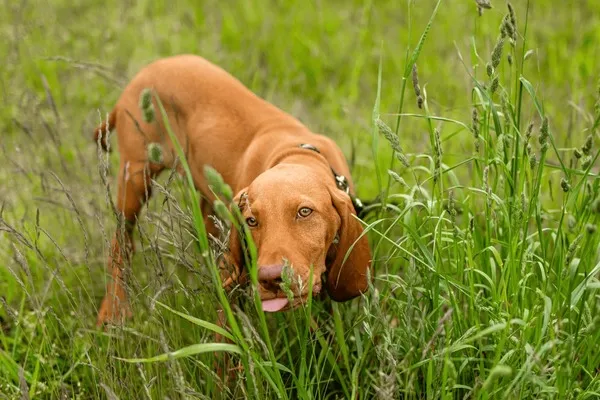
Let me help you understand why does your dog eat grass and throw it up and when it is time to take it seriously.
1. Mechanical Irritation of the Stomach Lining
Grass has a fibrous, sometimes rough texture that can irritate a dog’s stomach lining when consumed in large or hurried amounts. It can trigger a reflexive vomit, especially if your dog is gulping it down.
It is not always a bad thing; in fact, some dogs might even be doing it deliberately to rid themselves of something that’s upsetting their system.
2. Induced Vomiting as a Self-Medicating Strategy
Another possibility is that your dog feels something off in their digestive system and instinctively eats grass to induce vomiting. I have observed cases where dogs with mild gastritis or having ingested a non-toxic foreign substance seem to use grass as their form of first aid.
While it is not scientifically proven in every case, many vets agree this could be a self-regulating behavior.
Occasional grass-induced vomiting is not typically a sign of disease. However, if your dog is vomiting frequently, throwing up bile, has a poor appetite, or is lethargic, that changes the picture entirely.
Chronic vomiting or accompanying signs like diarrhea, weight loss, or fever in dogs point to an underlying health issue, possibly inflammatory bowel disease, pancreatitis, or parasitic infections, and warrant an immediate vet visit.
While some dogs simply like the texture or taste of grass, others may be driven by underlying health issues. Below are some medical explanations that might be influencing your dog’s behavior. These are less common but much more serious.
<strong>Reasons Why Dogs Eat Grass and Throw Up</strong>
Gastrointestinal Disorders
Nutritional Deficiencies
Parasites or Intestinal Upset
1. Gastrointestinal Disorders
Conditions like gastritis, acid reflux, and even early signs of irritable bowel disease can lead a dog to eat grass. I have treated patients where this was an early symptom, only to find chronic GI inflammation upon further testing.
Dogs with these conditions often have recurring vomiting, poor coat quality, and sometimes even blood in their stool.
2. Nutritional Deficiencies
Although commercial dog food is formulated to meet a dog’s dietary needs, some dogs still experience nutritional gaps. It is particularly true for dogs on raw or homemade diets that are not properly balanced.
In these cases, dogs might eat grass in an attempt to supplement fiber or trace minerals they feel they’re lacking.
3. Parasites or Intestinal Upset
Internal parasites like roundworms or hookworms can also cause nausea and discomfort in dogs. Some dogs react by eating grass in an attempt to soothe or cleanse their digestive tract.
If your dog’s vomiting is paired with a bloated abdomen, scooting, or sudden weight loss, I recommend a fecal exam to rule out parasitic causes.
Grass eating is not always dangerous, but as a vet, I always advise pet owners to stay alert to warning signs. To distinguish between harmless behavior and something that needs medical intervention, monitor the following conditions.
- Frequency and Urgency of Vomiting: If your dog eats grass once in a while and throws up occasionally, it is usually not a big deal. However, if this becomes a frequent or daily event, that’s your cue to investigate further. Frequent vomiting can lead to dehydration or be a symptom of a more significant issue like kidney problems or an obstruction.
- Signs of Pain or Discomfort: Watch how your dog behaves before and after eating grass. Are they pacing, licking their lips, or whining? These can be signs of abdominal discomfort, intestinal blockage in dogs, or nausea. If your dog seems anxious before eating grass and appears lethargic afterward, it could indicate an internal issue that needs to be addressed.
- Behavioral Changes: If you notice that your dog’s behavior is changing in other ways, such as decreased appetite, increased lethargy, or changes in stool consistency, these should not be ignored. Often, these small behavioral changes, combined with grass eating, can paint a bigger picture of a developing condition.
If your dog’s grass-eating habit is becoming frequent or troublesome, there are a few things you can do at home to reduce or redirect this behavior. The following are the key ones:
1. Improve Diet Quality and Balance
Start by reviewing your dog’s current diet. Ensure they are receiving high-quality dog food appropriate for their age, weight, and activity level. Sometimes, just switching to a more fiber-rich or better-balanced formula reduces grass-seeking behavior. You can also consult your vet to rule out any deficiencies or recommend a suitable supplement.
2. Provide Mental and Physical Stimulation
A bored dog is a mischievous dog. When you add more play sessions, puzzle toys, or extended walks, you are giving your dog an outlet that doesn’t involve your backyard grass. Enrichment is not just for the brain. It also keeps emotional stress and anxiety at bay, which may be a factor in compulsive grass eating.
3. Keep Grass-Free Zones or Leash Supervision
If your dog always targets specific grass patches, create controlled potty zones or supervise their outdoor time more closely. Walking them on a leash in a different area can help break the routine. You don’t need to eliminate grass entirely but can manage exposure, especially if your dog vomits every time.
4. Veterinary Intervention When Needed
When in doubt, visit your vet. If the vomiting becomes chronic or your dog shows other symptoms, diagnostic tools like blood work, abdominal ultrasound, and fecal analysis can help find the root cause. Early diagnosis can prevent serious complications down the line.
For more insights, you can also read our article on early signs of parvo in puppies to rule out dangerous mimicking symptoms.
Watching your dog eat grass and then vomit can be stressful, but in most cases, it’s not something to panic over. It could be an instinctive behavior, a minor stomach upset, or simply a sign of boredom.
That said, it is always good to keep an eye on frequency, behavior changes, and any added symptoms. As a vet, I believe in proactive care. If something feels off, it is better to seek professional advice early.
1. Does a dog eating grass mean anything?
Dogs eat grass for various reasons such as boredom, instinct, or mild stomach upset. It is usually normal unless accompanied by frequent vomiting or lethargy.
Eating grass is common in dogs and often harmless. Some do it to ease nausea, while others simply enjoy the taste or texture. However, if your dog vomits frequently, loses appetite, or seems uncomfortable, it is worth consulting your veterinarian to rule out digestive or behavioral issues.
2. Should I stop my dog from eating grass?
You don’t need to stop your dog from eating grass if it is occasional and pesticide-free. Stop or consult your vet if vomiting or behavioral changes occur.
It is generally safe for dogs to eat grass in moderation, especially if it’s clean and untreated. However, excessive grass eating or frequent vomiting afterward could indicate digestive irritation or anxiety. In such cases, limit access and schedule a vet check to uncover any underlying health problems.
3. What should I give my dog if he’s eating grass?
Offer high-fiber food, hydration, and a balanced diet to reduce grass eating. If it continues, consult a vet to check for nutritional or digestive issues.
Sometimes dogs eat grass due to low fiber or mild stomach discomfort. Switching to a fiber-rich dog food, ensuring proper hydration, and providing regular meals can help. If your dog still eats grass frequently, your vet may recommend dietary supplements or a tailored feeding plan to correct nutritional gaps.
4. Do dogs eating grass mean they have worms?
Grass eating doesn’t always mean worms, but intestinal parasites can cause similar symptoms like vomiting or nausea. A fecal exam can confirm infection.
Most dogs that eat grass don’t have worms, but intestinal parasites can sometimes make dogs feel nauseous or uneasy, prompting grass eating. If your dog also shows signs like bloating, scooting, or weight loss, schedule a veterinary fecal test to rule out worms or other digestive health concerns.
