
One of the most common concerns I hear from cat parents is, “Why is my cat crying so much?”
It is a valid question, and if you are reading this, you have probably noticed your cat meowing more than usual or making distressing sounds that leave you feeling helpless. Let me assure you that you are not alone.
Common Reasons of Cat Crying
1. Due to hunger or thirst
2. For seeking your attention
3. Having some sort of illness or pain
4. Stress due to recently changed environment
5. Separation anxiety if you have recently acquired the cat
6. Any underlying medical condition
7. Maybe the cat is in heat and vocalizing to attract the male
Cats may not speak our language, but they definitely have their own ways of communicating, and crying is a major part of that. So, I am taking you through the possible reasons behind your cat’s vocalizations, what those cries might mean, and how you can help your furry companion feel better.
Crying, meowing, yowling, or even chirping are all ways your cat is trying to tell you something. The cat crying meaning can vary from simple requests to signs of illness.
Unlike dogs, who often rely on body language, cats are more vocal when they want to communicate needs, emotions, or discomfort. Whether you have seen a banana cat crying meme or a clip of an AI cat crying, those exaggerated depictions are rooted in a real behavior that our cats trying to express something.
Each sound your cat makes can have a different pitch, volume, and tone, all of which help express how they are feeling. As a vet, I always encourage cat parents to observe not just the sound, but also the context – what’s happening around your cat when they cry? That gives you valuable clues.
Cat crying is not always about pain. It could be emotional, physical, or behavioral. Let’s break it down so you can understand your cat’s needs better.
1. Hunger or Thirst
This is probably the most straightforward reason. Cats will often cry near their food bowls or when they hear the rustling of a food bag. Some even develop the habit of crying at the same time every day if they are used to a strict feeding schedule.
What You Can Do?
Ensure your cat has access to fresh water and is being fed at consistent intervals. Automated feeders can help maintain timing if you are not always home. Sometimes, your chubby buddy might even fall into the fat cat crying category, vocalizing due to overeating or dissatisfaction with meal portions.
2. Attention Seeking Behavior
Cats, despite their independent reputation, crave affection and interaction. If they feel ignored, they may cry to get your attention, especially if they have learned it gets them a reaction.
What You Can Do?
Spend dedicated time playing, petting, or just sitting with your cat. Mental stimulation through toys or puzzle feeders can also reduce boredom. A sad cat crying can be a sign they simply need a little more love from you.
3. Illness or Pain
When cats are not feeling well, they may become more vocal. This could be due to urinary tract infections, arthritis, dental pain, or internal discomfort. Senior cats often cry more due to cognitive decline or joint pain.
What You Can Do?
Look for other signs like limping, hiding, vomiting, or changes in eating habits. If crying seems excessive or unusual, a visit to your vet is a must. This is especially true when owners start asking, “Why is my cat crying tears?” While cats do not cry tears like humans do, tear stained fur may signal health problems like eye infections or blocked tear ducts.
4. Stress or Anxiety
Changes in your home environment – like moving, new pets, or even rearranging furniture – can make cats anxious. They might express that discomfort through vocalizations.
What You Can Do?
Try to identify stressors and introduce changes gradually. Feliway diffusers or calming collars can also help reduce anxiety. Even something simple like a cat crying meme can remind us that these animals feel deeply, especially when their territory is disrupted.
5. Loneliness or Separation Anxiety
Cats form bonds with their humans. If you have been away more than usual, they might cry when you return or even while you are gone.
What You Can Do?
Leave behind an item with your scent or use pet cameras that allow two-way audio so you can comfort them remotely.
6. Medical Conditions Related to Aging
Older cats are prone to issues like hyperthyroidism or cognitive dysfunction, which can make them confused or disoriented, especially at night.
What You Can Do?
Talk to your vet about senior cat care. Medication and environment management can significantly improve their quality of life. If you have ever asked yourself, “Why is my cat crying at night?”, age related disorientation could be the answer.
7. Mating Behavior in Unspayed or Unneutered Cats
If your cat is intact, crying can be part of the mating behavior. Female cats in heat cry loudly to attract males, and unneutered males may respond vocally and restlessly.
What You Can Do?
Spaying or neutering can resolve this issue and has many additional health and behavioral benefits.
Each cry has its own unique meaning. Understanding the type of cry can help you decode your cat’s message more accurately.
- Short Meow: This is usually a simple greeting or acknowledgment. Think of it as your cat saying “hi” or checking in.
- Prolonged Meowing: Often linked to demand – for food, attention, or even to go outside. It is not uncommon for people to share videos of a banana cat crying to show how dramatic these meows can be.
- Yowling or Wailing: This is more serious. It usually indicates distress, mating behavior, or confusion in older cats. Cat crying at night is often in this category, especially if the home is quiet and the cat feels disoriented or alone.
- Chirping or Chattering: Usually heard when they are watching birds or other prey from a window. It is a mix of excitement and frustration.
- Growling or Hissing: These sounds indicate fear, pain, or aggression. Do not ignore these.
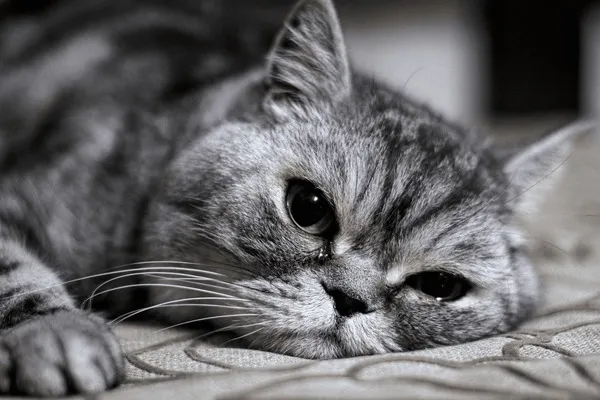
While occasional crying is normal, persistent or intense vocalization should never be brushed off. Let me walk you through when it is time to get serious.
- Changes in Behavior: If your normally quiet cat suddenly starts crying frequently, take note. Any drastic behavior change is worth a vet check.
- Crying Accompanied by Other Symptoms: Look for lethargy, loss of appetite, vomiting, or trouble using the litter box. These can point to underlying medical issues. If your cat is exhibiting watery eyes, owners might wrongly assume cat crying tears are emotional, but physical causes should be explored first.
- Night Time Crying: This can be common in senior cats with cognitive decline or kittens that are adjusting to a new home. If you are losing sleep and thinking, “Why is my cat crying at night?”, it is time to investigate their nighttime routine and comfort levels.
Vet's Insight
Keep a diary of when your cat cries, how long it lasts, and any accompanying symptoms. This can be extremely helpful during a vet visit.
Let’s talk about solutions. Once you understand why your cat is crying, you can tailor your response accordingly.
- Create a Routine: Cats love predictability. Feeding, playtime, and even cuddle sessions should follow a regular schedule.
- Use Interactive Toys: Keep your cat mentally and physically stimulated. Puzzle feeders, feather toys, or even cardboard boxes can do wonders.
- Provide a Safe Space: Especially in multi pet households, cats need a quiet area to retreat to. A comfy bed in a quiet corner often does the trick.
- Monitor Litter Box and Food Habits: Crying could be due to a dirty litter box or food that doesn’t sit well with them. Keep these essentials clean and consistent.
- Use Calming Aids: If anxiety is a factor, products like calming sprays, pheromone diffusers, or calming treats can help.
- Visit the Vet: If you have ruled out behavioral causes and the crying persists, consult your vet. Tests may be needed to identify hidden health problems.
I have seen hundreds of cats over the years, and no two are the same. When a cat comes in for excessive crying, I always start with a thorough history – when it started, what changes have occurred in the environment, and any other symptoms.
Then comes the physical exam, followed by blood tests or imaging if needed. Many times, the cause is something treatable, like a dental issue or early arthritis. But sometimes, it is behavioral, and in those cases, we work together on lifestyle adjustments.
As a vet, my goal is always to improve the cat’s comfort and strengthen your bond with them. You are their whole world – and they are trying to tell you something. Even those viral AI cat crying animations or sad cat crying clips stem from real life situations that many cat owners can relate to.
So, if your cat is crying, don’t panic – but don’t ignore it either. It is their way of communicating with you, and whether it is hunger, pain, stress, or just the need for a little attention, you can make a huge difference by tuning in and responding thoughtfully.
Trust your instincts and pay attention to the patterns. If something feels off, I always recommend reaching out to your vet. Remember, your cat is not just making noise – they are speaking their truth. You just have to listen closely.
What does it mean when a cat is crying?
If the crying is excessive, sudden, or paired with signs like lethargy or loss of appetite, contact your vet immediately.
What to do if my cat is crying tears?
Tears may signal an eye issue like irritation, infection, or allergies. Gently wipe the eyes and see a vet if it continues.
When should I worry about my cat crying?
Offer gentle petting, speak softly, ensure food, water, and litter are available, and give them a calm, safe space.
How can I comfort a crying cat?
If the crying is excessive, sudden, or paired with signs like lethargy or loss of appetite, contact your vet immediately.
