
You walk into the room and suddenly notice foam around your dog’s mouth. Panic hits. Your first thought is, “What’s wrong?” I have seen this exact scene countless times as a veterinarian, and I can tell you, foaming is a signal, not just a weird quirk.
Sometimes it is nothing more than excitement or a bit of nausea. Other times, it is a red flag for poisoning, seizures, or even rabies. From minor issues to serious emergencies, I will show you why dogs foam and give you step-by-step ways to act fast and keep your dog safe.
Foaming around the dog’s mouth occurs when saliva mixes with air, mucus, or sometimes stomach contents, producing bubbles.
While some dogs foam occasionally and harmlessly, persistent or sudden foaming can indicate a medical problem. Observing the context of foaming, whether it happens after exercise, during nausea, or suddenly with unusual behavior, is key to understanding its significance.
Owners can quickly decide if veterinary attention is required and take immediate steps to protect their dog’s health by recognizing the patterns and causes.
Foaming at the mouth can arise from multiple causes. Let’s break them down so you can identify which situation might match your dog’s symptoms.
1. Excitement and Stress
Occasionally, foaming occurs simply because a dog is excited or anxious. Playtime, running, or anticipation of treats or walks can trigger excessive salivation. In these cases, the foaming is usually harmless, resolves quickly, and is often accompanied by wagging tails or playful behavior.
Observing the dog’s overall demeanor helps differentiate harmless foaming from a medical problem.
2. Nausea and Digestive Issues
Foaming can result from nausea due to eating something your dog shouldn’t, motion sickness, or minor gastrointestinal upset. Dogs may drool foam before vomiting. While these cases are often self-limiting, repeated episodes, refusal to eat, or lethargy signal the need for veterinary evaluation.
3. Toxin Ingestion and Poisoning
Exposure to toxins is one of the most serious causes of foaming. Common culprits include human medications, household chemicals, pesticides, chocolate, grapes, antifreeze, and spoiled food. Additionally, if your dog ate gum, it may also lead to poisoning due to the presence of Xylitol.
Foaming from poisoning is often accompanied by vomiting, diarrhea, tremors, lethargy, or sudden behavior changes. Immediate veterinary care is critical. While waiting for care, isolate your dog, collect any suspected substances, and avoid direct contact with saliva if toxicity is suspected.
4. Rabies and Infectious Diseases
Though rare in vaccinated dogs, rabies can cause foaming along with neurological symptoms such as aggression, confusion, and disorientation. Any sudden foaming accompanied by behavioral changes should be treated as a medical emergency.
Limit exposure to humans and other animals until veterinary professionals intervene.
5. Seizures and Neurological Conditions
Neurological issues, including epilepsy, brain tumors, or encephalitis, can lead to uncontrolled salivation and foaming. Dogs may also lose coordination, appear confused, or experience muscle spasms.
These events are serious and require immediate veterinary assessment and ongoing management.
6. Dental Problems and Oral Irritations
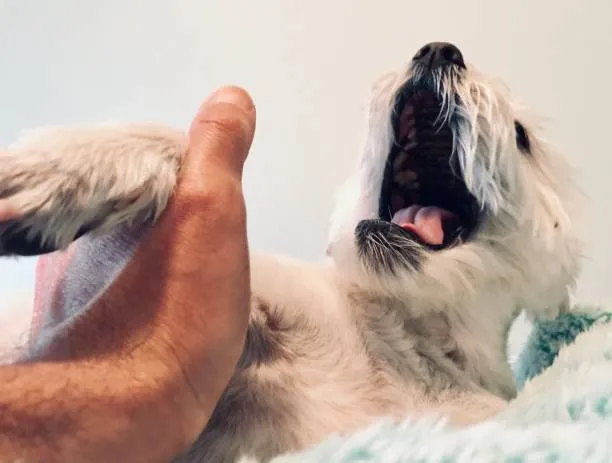
Foaming may also result from gum disease, tooth infections, or irritation caused by foreign objects. Dogs with dental pain may drool excessively and produce foamy saliva. Routine dental care, timely extraction, and treatment of oral injuries can prevent recurrent foaming.
While foaming can be harmless, it may also indicate life-threatening conditions. Knowing the risk signs allows pet owners to act quickly.
You should seek urgent attention if foaming is accompanied by:
- Tremors or seizures
- Lethargy or collapse
- Aggression or unusual behavior
- Vomiting, diarrhea, or refusal to eat
- Exposure to potential toxins or unknown substances
Delaying care in these situations can lead to rapid deterioration.
Ignoring foaming caused by poisoning, rabies, or neurological disorders can result in organ failure, irreversible brain damage, or death. Early recognition and treatment dramatically improve the prognosis.
Here is a practical guide for what to do immediately if your dog starts foaming at the mouth.
- Stay Calm and Observe: Panicking can stress your dog further. Observe the color and consistency of the foam, the dog’s behavior, and any additional symptoms like vomiting or tremors.
- Ensure Safety: If rabies or toxicity is suspected, limit contact with your dog to avoid exposure to saliva. Keep children and other pets away.
- Remove Potential Hazards: Check your surroundings for toxic substances or foreign objects that the dog may have ingested. Collect any containers, plants, or foods for the veterinarian to review.
- Monitor Vital Signs: If possible, note your dog’s breathing, heart rate, and responsiveness. This information helps the veterinarian assess the urgency and potential cause.
Next, you should contact your veterinarian and provide a detailed history, including:
- Time foaming started
- Recent diet or possible ingestion of toxins
- Other symptoms observed
- Vaccination status
Follow the veterinarian’s instructions closely and prepare to transport your dog safely. Use a secure crate or leash. Avoid letting the dog roam freely, especially if aggressive behavior is present.
A veterinarian will perform a stepwise evaluation to determine the cause of foaming.
- History and Physical Examination: The vet will ask about diet, medications, environment, and behavior. Physical examination checks for oral injuries, neurological signs, and general health status.
- Laboratory Tests: Blood work, urinalysis, and toxin screens identify poisoning, infections, organ dysfunction, or metabolic abnormalities.
- Imaging and Neurological Tests: X-rays, ultrasound, and neurological exams help locate foreign objects, tumors, or brain abnormalities. Endoscopy may be used if gastrointestinal causes are suspected.
Treatment for foaming at the mouth in dogs depends entirely on the underlying cause. A careful diagnosis by your veterinarian ensures the right approach, whether it is a mild, self-limiting issue or a life-threatening condition.
Early intervention improves recovery and reduces the risk of complications. Here’s a detailed look at treatment strategies for each major cause.
1. Mild Cases – Excitement or Minor Nausea
For dogs foaming due to excitement or mild digestive upset, treatment is usually straightforward.
The first step is to create a calm and safe environment, removing stimuli that may be causing stress or overstimulation. Encourage your dog to rest in a quiet space, and offer small amounts of water to keep them hydrated.
If foaming occurs after eating, consider adjusting their diet to more easily digestible food or smaller, more frequent meals to reduce nausea. Occasionally, mild anti-nausea medications prescribed by a veterinarian can help if minor digestive upset is recurring.
Next, you should monitor your dog’s behavior and appetite over the next 24 hours. If symptoms worsen, what seemed like a harmless cause could actually be masking a more serious problem.
2. Toxin Exposure
Toxin ingestion is one of the most urgent causes of foaming at the mouth. Quick and decisive action can save your dog’s life. If you suspect your dog has eaten a toxic substance, do not wait for symptoms to escalate.
Immediately contact your veterinarian or an animal poison control center for guidance. Depending on the type of toxin and timing of ingestion, treatments may include
- Inducing vomiting (only under veterinary guidance, as some toxins worsen if vomited),
- Administering activated charcoal to bind the toxin
- Providing intravenous fluids to flush harmful substances and maintain hydration.
Specific antidotes are available for certain poisons, such as acetaminophen, xylitol, or antifreeze, and timely administration is critical. Hospitalization may be required for continuous monitoring, especially if your dog shows neurological symptoms, vomiting, or lethargy.
During this period, supportive care such as oxygen therapy, medications to control seizures or arrhythmias, and careful monitoring of organ function may be necessary. Recovery often depends on how quickly the toxin was identified and treatment initiated.
3. Neurological Causes and Seizures
Neurological conditions, including epilepsy, brain tumors, encephalitis, or other central nervous system disorders, can lead to uncontrolled foaming at the mouth. Treatment begins with stabilizing the dog during an acute episode, often involving anticonvulsant medications to stop seizures and prevent further neurological damage.
Long-term management may include daily anticonvulsants, lifestyle modifications to minimize seizure triggers, and regular veterinary follow-up to adjust medication dosages.
Your veterinarian may recommend neurological imaging, such as MRI or CT scans, to determine the root cause if seizures are frequent or severe. Owners are often advised to maintain a calm home environment and avoid stressors that could trigger episodes.
4. Rabies or Infectious Disease Suspects
Foaming caused by rabies or other serious infectious diseases is treated very differently, as these conditions can be fatal and highly contagious. If you suspect rabies, particularly in a dog with no vaccination history or exposure to wild animals, isolate the dog immediately and contact your veterinarian or local animal health authorities.
Treatment for rabies itself is not possible once symptoms appear, so prevention through vaccination is absolutely critical. For other infectious diseases that cause foaming, such as severe viral or bacterial diseases in dogs, treatment may include hospitalization, intravenous fluids, and antibiotics.
Additionally, supportive care to manage symptoms and prevent secondary complications. Strict hygiene and containment prevent the spread to humans and other animals.
5. Dental and Oral Causes
Foaming related to oral or dental issues usually has a very positive prognosis when treated appropriately. Common causes include
- Gum disease
- Tooth infections
- Oral injuries
- Foreign objects lodged in the mouth.
Treatment often starts with a thorough oral examination by your veterinarian, sometimes under sedation. Depending on the findings, interventions may include professional cleaning, extraction of damaged teeth, antibiotics to treat infection, or removal of foreign objects.
Pain management is an important part of recovery, and your vet may prescribe analgesics to ensure your dog remains comfortable. Long-term, maintaining good oral hygiene is key to preventing recurring foaming. It includes regular brushing, dental chews, and routine veterinary dental checkups.
Addressing oral health proactively reduces the risk of bacterial infections spreading to other parts of the body, which can lead to more severe systemic illnesses.
6. Additional Supportive Measures
Across all causes, several supportive steps can help improve recovery: monitoring hydration, ensuring your dog is in a calm and safe environment, and providing nutritional support if your dog is off food.
Follow-up visits are essential for confirming recovery and preventing relapse.
Although not all causes can be prevented, several measures reduce risk.
- Safe Environment and Diet: Keep all toxic foods, chemicals, and dangerous plants out of reach. Avoid sudden changes in diet and provide a balanced, high-quality dog food to reduce gastrointestinal upset.
- Routine Veterinary Checkups: Regular checkups allow early detection of oral issues, neurological disorders, or infections. Maintaining vaccinations and preventive care decreases the risk of serious conditions causing foaming.
- Behavioral Management: Reducing anxiety through training, safe spaces, and controlled playtime helps prevent foaming caused by stress or excitement.
Foaming at the mouth in dogs can range from harmless excitement to life-threatening poisoning, rabies, or neurological disorders. Acting quickly is essential. When you recognize the context, observe additional symptoms, and follow step-by-step measures while contacting a veterinarian, you can protect your dog’s health.
Regular preventive care, dental hygiene, and maintaining a safe environment further reduce risks. Understanding causes, red flags, and practical actions empowers pet owners to respond effectively.
Timely intervention can save lives, prevent complications, and ensure your dog stays healthy, safe, and happy. Vigilance and knowledge are your strongest tools.
