
Quick Summary: Securing Your Pup With Dog Fencing
- ✓ Modern Solutions: 2026 AI-integrated GPS fences are best for large acreage, while solid vinyl or wood remains the “Gold Standard” for reactive dogs.
- ✓ Breed Matters: High-drive breeds require at least 6-foot barriers; terriers and “tunnelers” need “L-foot” mesh buried 12 inches deep.
- ✓ Investment vs. Risk: Expect to pay $15–$35/ft for wood or $600+ for high-end GPS systems—a fraction of the cost of an emergency ER visit.
- ✓ Health Benefits: Beyond safety, a secure fence lowers cortisol levels by defining territorial boundaries and combating canine obesity through off-leash exercise.
A dog’s curiosity is often faster than a human’s reflex. When a client tells me their dog is an “escape artist,” they usually say it with a nervous laugh, but as a veterinarian, I don’t see a hobby. I see a high-risk medical liability.
Whether you’re managing a high-drive Malinois that can scale an 8-foot wall or a persistent Terrier that views the earth as a mere suggestion, your fencing choice is a direct intervention in their longevity. This isn’t just about property lines or keeping the neighbors happy.
From a clinical perspective, a secure fence is a preventative health measure, right up there with vaccinations and heartworm prevention. In this deep-dive guide, I am going to dissect the 2026 landscape of dog fencing, from GPS-integrated AI boundaries to bite-proof physical structures, to ensure your pup stays out of my ER and in your yard.
Dog fencing is a physical or technological boundary designed to keep your canine companion within a designated safe zone while preventing external threats.
Dog fencing is a physical or technological boundary designed to keep your canine companion within a designated safe zone while preventing external threats.
It is often considered a secondary, invisible leash that grants your dog the freedom to express natural behaviors like sniffing, running, and patrolling without the constant risk of bolting.
In 2026, this definition has expanded significantly. It’s no longer just a matter of wood and nails. It’s a holistic system of containment that integrates behavioral psychology, modern material science, and even GPS-guided spatial mapping. We now view fencing as part of a dog’s environmental enrichment.
A proper fence doesn’t just “trap” a dog. It defines a sanctuary where they can exist off-leash safely. Whether it’s a physical barrier that stops a 100-pound Mastiff or a virtual boundary managed by a satellite-linked collar, dog fencing is the structural foundation of responsible pet ownership in an increasingly crowded world.
Choosing a fence is not like choosing probiotics for dog allergies. What works for a high-energy Belgian Malinois won’t necessarily work for a couch-potato Bulldog or a tiny Chihuahua.
In 2026, the options have evolved to include smarter materials and more precise tech. Below, I have broken down the details of the most effective types of dog fencing and containment systems available today.
They range from old-school physical barriers to high-tech satellite solutions.
1. Traditional Wooden Privacy Fences
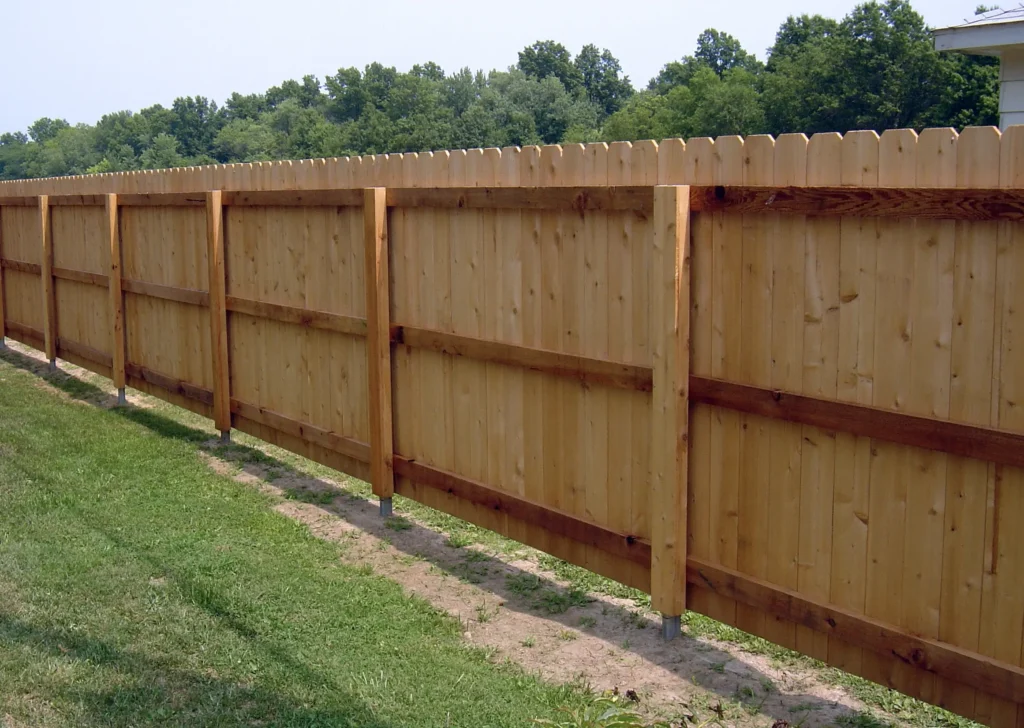
This remains the “Gold Standard” for reactive or easily distracted dogs. If your pup barks at every squirrel, falling leaf, or passing mail carrier, a solid wooden fence (usually cedar or redwood) blocks those visual triggers that cause adrenaline and cortisol spikes.
By removing the “view,” you often remove the barking behavior. It is a sturdy, long-term solution that also provides excellent wind protection for your home.
2. Vinyl and PVC Fencing
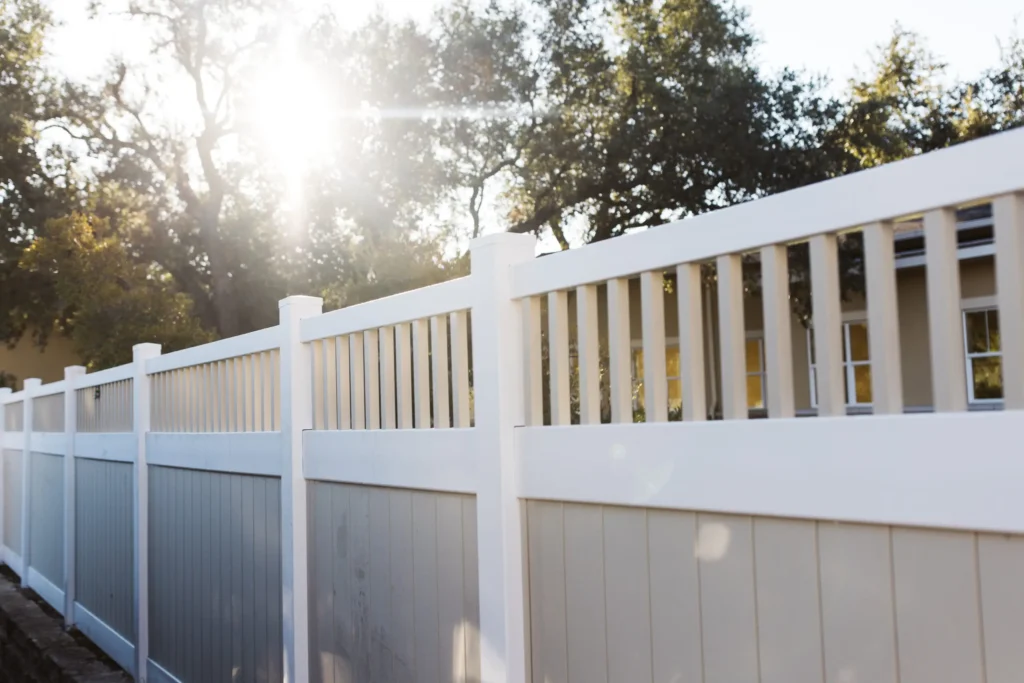
I often recommend vinyl for my busiest clients. Unlike wood, vinyl doesn’t splinter. It means you will significantly reduce your chances of visiting my clinic or calling me at 9:00 PM while trying to pull a jagged wood shard out of your dog’s paw pad.
It is rot-resistant, stands up to “p-mail” (urine) much better than wood, and is virtually maintenance-free. It can be pricier upfront, but the medical and maintenance savings over 10 years are significant.
3. Chain Link Fencing (The Old Reliable)
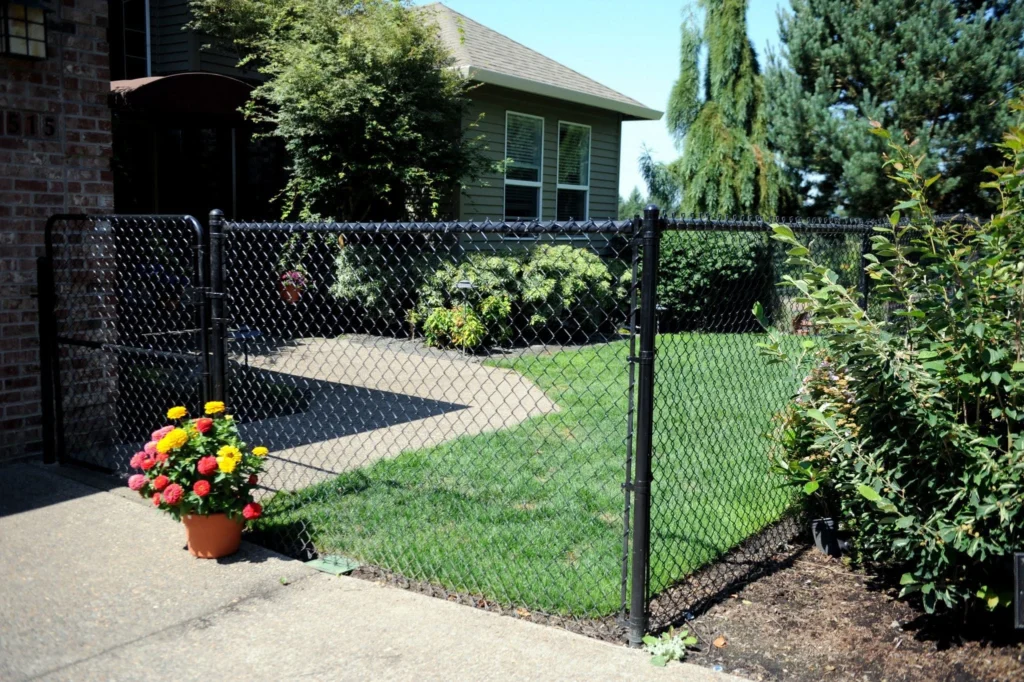
Chain link is cost-effective and incredibly durable. However, from a clinical perspective, I have a love-hate relationship with it. It is great for security, but some dogs use the diamond mesh as a literal ladder.
If you have a “climber,” you must add a “coyote roller” or a 45-degree inward lean at the top to prevent them from flipping over the edge and injuring their legs upon landing.
4. AI-Integrated GPS Wireless Fences
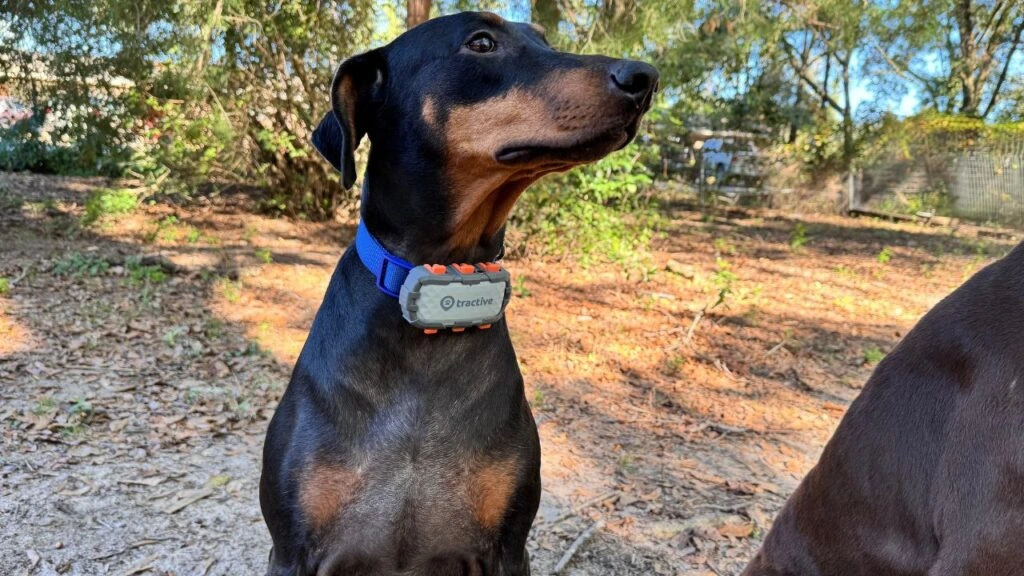
Welcome to the cutting edge of 2026. We now have collars that use precise satellite mapping, accurate down to the centimeter, to create boundaries without a single inch of digging.
These are incredible for large rural properties or “unfencable” terrain like rocky hills or waterfronts. They use customizable vibration and gentle haptic feedback to keep your dog in bounds, allowing you to move the boundary via an app on your phone.
5. Metal Picket and Ornamental Iron
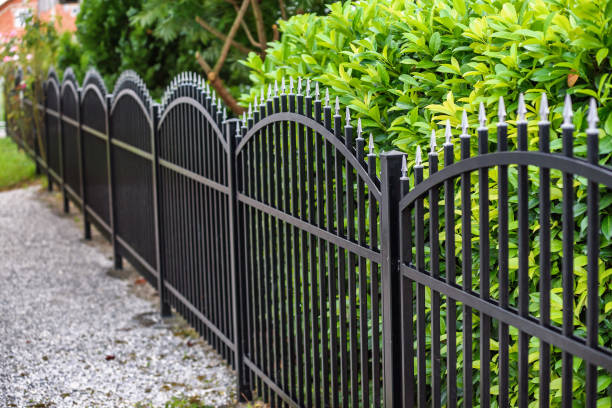
These are beautiful and nearly indestructible. However, “The Head Test” is mandatory here. As a vet, I have had to assist in some pretty stressful “stuck-head” extractions where a dog tried to squeeze through bars that were just an inch too wide.
If you choose this style, ensure the gap is smaller than the width of your dog’s skull to prevent choking or entrapment.
6. Snow Fencing and Temporary Mesh
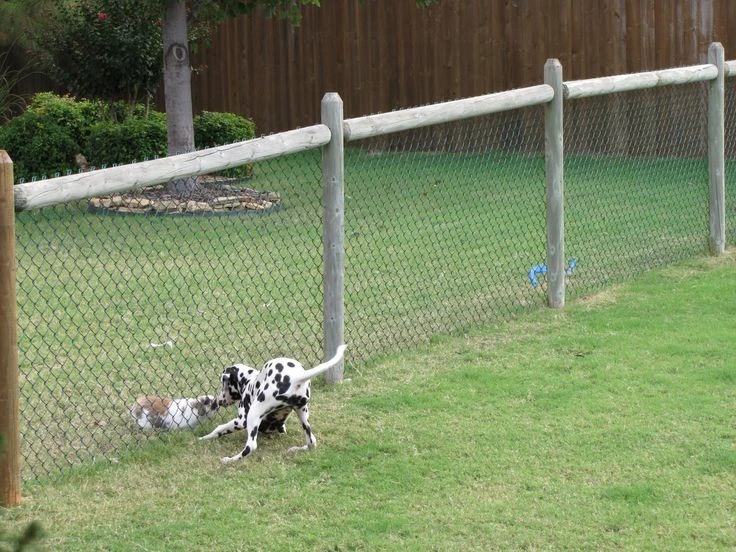
If you are a renter or you are traveling to a summer cabin, don’t overlook temporary solutions. UV-protected plastic snow fencing is a lifesaver.
While it isn’t a permanent fix, it creates a visual and physical deterrent that works wonders for supervised outdoor time when a $5,000 permanent fence isn’t an option.
7. Farm and Ranch Wire (No-Climb)
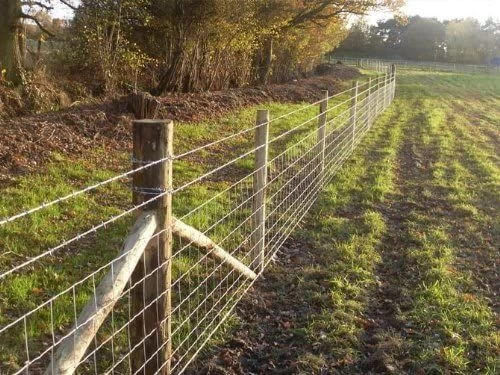
For those with massive acreage, 2×4 “no-climb” wire is a fantastic mid-tier option. It’s much stronger than standard chicken wire and, crucially, the openings are too small for a dog to get their paws caught.
I have seen fewer broken toes with this than with traditional wide-mesh farm fencing.
8. Electric or Invisible In-Ground Fencing
While GPS is taking over, traditional wired “hidden” fences still have a place for small yards where satellite signals might be blocked by tall buildings. These require a wire buried around the perimeter and specialized training
It is vital to pair this with behavioral training so the dog understands where the “beeps” start.
Safety is the obvious answer, but the “why” goes much deeper into the physiological and psychological health of your dog. From my perspective in the white coat, a fenced yard fundamentally changes the chemistry of your dog’s daily life.
1. Prevent The Great Escape and Traffic Trauma
The most common trauma cases I see in the emergency room are “Hit by Car” (HBC). Even the best-trained dog can have a “predatory drift” moment where a squirrel’s movement overrides their “stay” command.
A fence is your mechanical fail-safe against the unpredictable nature of the outside world.
2. Reduce Anxiety and Territorial Stress
Dogs are territorial by nature. A clear, defined boundary actually helps a dog understand what “their” space is and, more importantly, what it isn’t. Without a boundary, a dog may feel they need to guard an infinite perimeter.
Ultimately, it leads to chronic cortisol spikes, pacing, and redirected aggression. A fence lets them “turn off” that guarding instinct once they know the perimeter is secure.
3. Encourage Physical Exercise and Weight Management
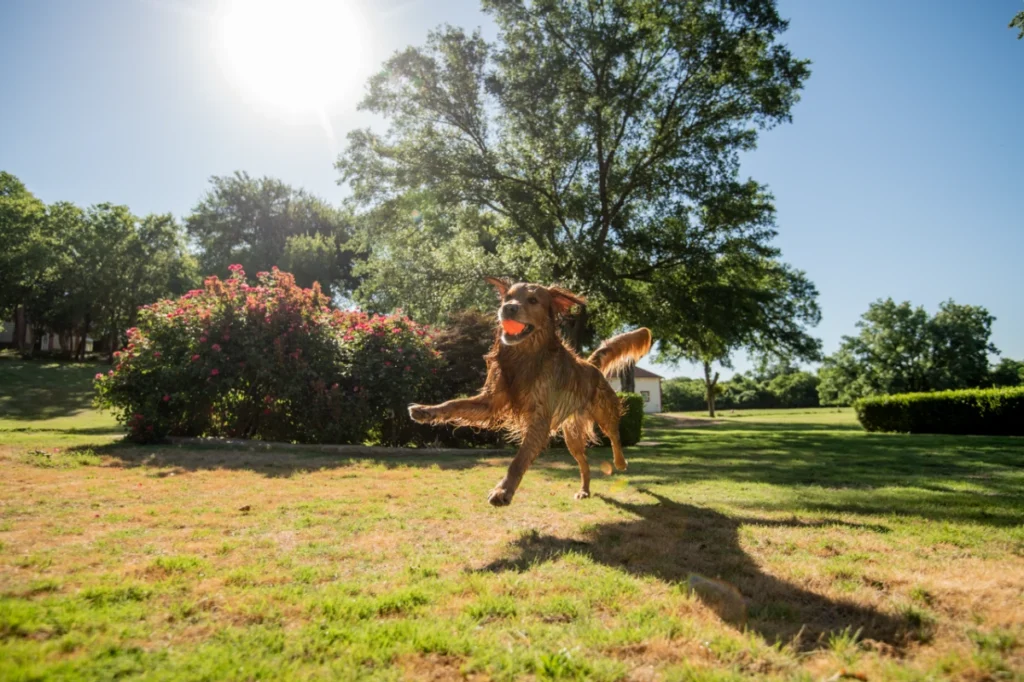
Canine obesity is a silent killer, leading to arthritis, diabetes, and heart disease. A fenced yard allows for “zoomies,” those high-intensity bursts of running that are impossible to replicate on a standard 6-foot leash walk.
Being off-leash allows for a range of motion that keeps joints lubricated and muscles toned.
4. Protect Your Community and Neighbors
Not everyone loves your dog as much as you do. Some people have phobias, and some neighbors have pets that may be reactive or aggressive.
A fence prevents your pup from wandering into a situation where they could be the victim of another dog’s aggression or cause a neighborhood dispute. It keeps the peace.
5. Allow for Unstructured “Sniffari” Time
Mental stimulation is just as important as physical exercise. A fenced yard lets a dog spend 30 minutes just sniffing a single blade of grass. This is what we call a “Sniffari.”
It allows them to process the world through their strongest sense, which lowers their heart rate and improves overall mood and sleep quality.
6. Safe Socialization Space
If you have friends with dogs, a fenced yard is the safest “neutral ground” for a playdate. It’s much more relaxed than a public dog park, where you can’t control the vaccination status or temperament of the other animals present.
Installing a fence is only 50% of the battle. The other 50% is “dog-proofing,” which is based on your specific pet’s “superpower”, whether that’s digging, jumping, or chewing.
If you don’t account for their personality, they will find the weak point within 48 hours. Here I am going to describe how to set up dog fencing properly.
1. Conduct a Perimeter Check for Diggers
Before you call the fence company, look at your dog’s paws. Are they constantly muddy? If you have a “tunneler” (looking at you, Terriers), you need to “L-foot” your fence.
It involves burying a portion of wire mesh 12 inches deep or pouring a concrete curb under the fence line. It stops the escape before it starts.
2. Height Calibration Based on Breed and Athleticism
A 4-foot fence is merely a suggestion for a Labrador or a Husky. They can clear it without breaking a sweat. For large or athletic breeds, you should aim for a minimum of 6 feet.
Always account for the “launchpad” effect. Never place a dog house, woodpile, or bench near the fence, as dogs will use them as a step-stool to freedom.
3. Gate Security and Smart Double-Latching
Gates are the #1 point of failure. I recommend self-closing hinges and “puppy-proof” latches that require a two-step motion to open. In 2026, many of my clients are installing smart sensors on their gates that send a notification to their phone if the gate is left open for more than 60 seconds.
4. Visual Barriers for Fence Fighting
If your dog runs the fence line barking at the neighbor’s dog, you need to block the “theatre.” Adding privacy slats to chain link or planting dog-safe, non-toxic shrubs (like blueberries or hardy sunflowers) can create a “buffer zone.”
This physical distance reduces the “barrier frustration” that leads to aggressive behaviors.
5. Regular Maintenance and The Splinter Check
If you have a wooden fence, you must inspect it seasonally. Rotted boards are easily pushed through by a determined dog, and rusted nails or staples can cause nasty puncture wounds or tetanus risks. I always tell my clients,
“Check your fence when you change your clocks.”
6. Surface Selection for the Fence Line
Many dogs create a “racetrack” along the fence. This can lead to mud or, worse, raw paw pads. Consider laying down pea gravel or specialized “dog turf” along the inner perimeter to provide a durable, high-traction surface that is easy on their joints.
Budgeting for a fence is a “pay now or pay later” situation. A cheap, flimsy fence that fails often results in an expensive emergency vet bill or, heartbreakingly, the cost of replacing a lost pet. Here is the 2026 market breakdown.
| Fence Type | Estimated Cost (Per Linear Foot) | Estimated Total (Standard Yard) |
|---|---|---|
| Professional Wood | $15 – $35 | $4,000 – $8,000 |
| Chain Link | $12 – $22 | $2,500 – $4,500 |
| GPS / Wireless Systems | N/A (Collar Based) | $600 – $1,000 (+$10-20/mo) |
| Vinyl & Composite | $30 – $55 | Premium Investment |
| DIY Mesh / Utility | $6 – $10 | Budget Friendly |
| Ornamental Metal | $40 – $70 | Aesthetic Choice |
1. Professional Wood Fence Costs
Expect to pay between $15 and $35 per linear foot.
For a standard quarter-acre backyard, this usually totals $4,000 to $8,000. It is a heavy investment, but it is the only option that offers 100% visual privacy and high security.
2. Chain Link Affordability
This remains the most budget-friendly physical option, typically landing between $12 and $22 per linear foot.
It’s great for large areas where you want to maintain your view of the surrounding woods or fields. Total costs for a standard yard usually hover around $2,500 to $4,500.
3. GPS and High-Tech Wireless Systems
The upfront cost for high-end GPS collars (like the 2026 iterations of Halo or Whistle) is usually $600 to $1,000, plus a monthly subscription fee for the satellite data (usually $10–$20/month).
While it sounds expensive, it is significantly cheaper than fencing in a 10-acre farm with physical materials.
4. Vinyl and Composite Pricing
These are the premium “set it and forget it” options, often costing $30 to $55 per linear foot.
You are paying for the fact that you will never have to paint, stain, or replace a rotted post. For many of my clients, the time saved on maintenance is worth the higher entry price.
5. DIY Mesh and Utility Fencing
If you are on a tight budget, you can do a DIY “no-climb” wire fence for about $6 to $10 per linear foot.
It requires a lot of sweat equity. Pounding T-posts is a workout, but it is a very secure and medically safe option for the price.
6. Ornamental Metal Costs
Wrought iron or aluminum fencing can run $40 to $70 per linear foot.
It is largely an aesthetic choice, but it’s also the most durable against “chewers” who might try to eat their way through a wooden fence.
From my perspective as a vet, a fence isn’t just an outdoor accessory. It is a safety net.
Whether you opt for a high-tech GPS solution that maps your acreage or a classic wooden privacy barrier to calm a reactive pup, you are making a vital investment in your dog’s longevity.
I have never had a client regret the money they spent on a secure fence, but I have unfortunately seen many regret not installing one sooner.
Take the time to assess your dog’s “escape style,” measure your yard twice, and choose a solution that lets both of you sleep better at night. Your dog gets the freedom they crave, and you get the peace of mind you deserve.
